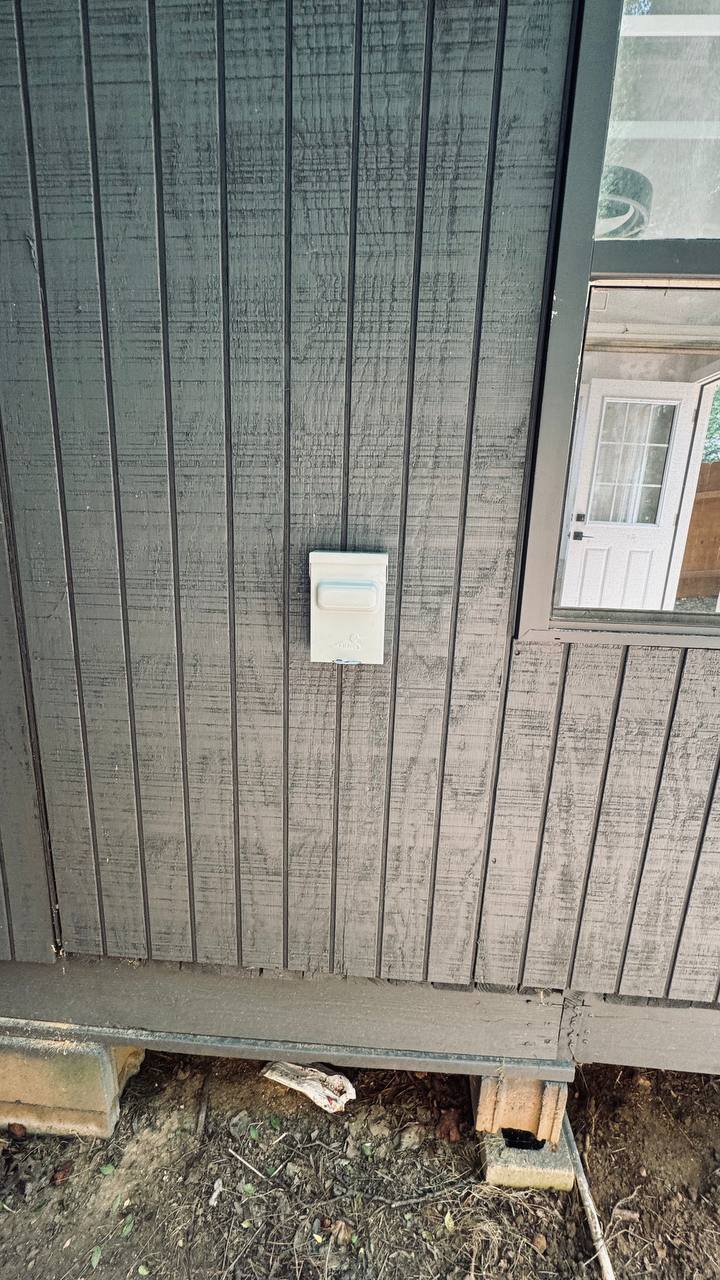
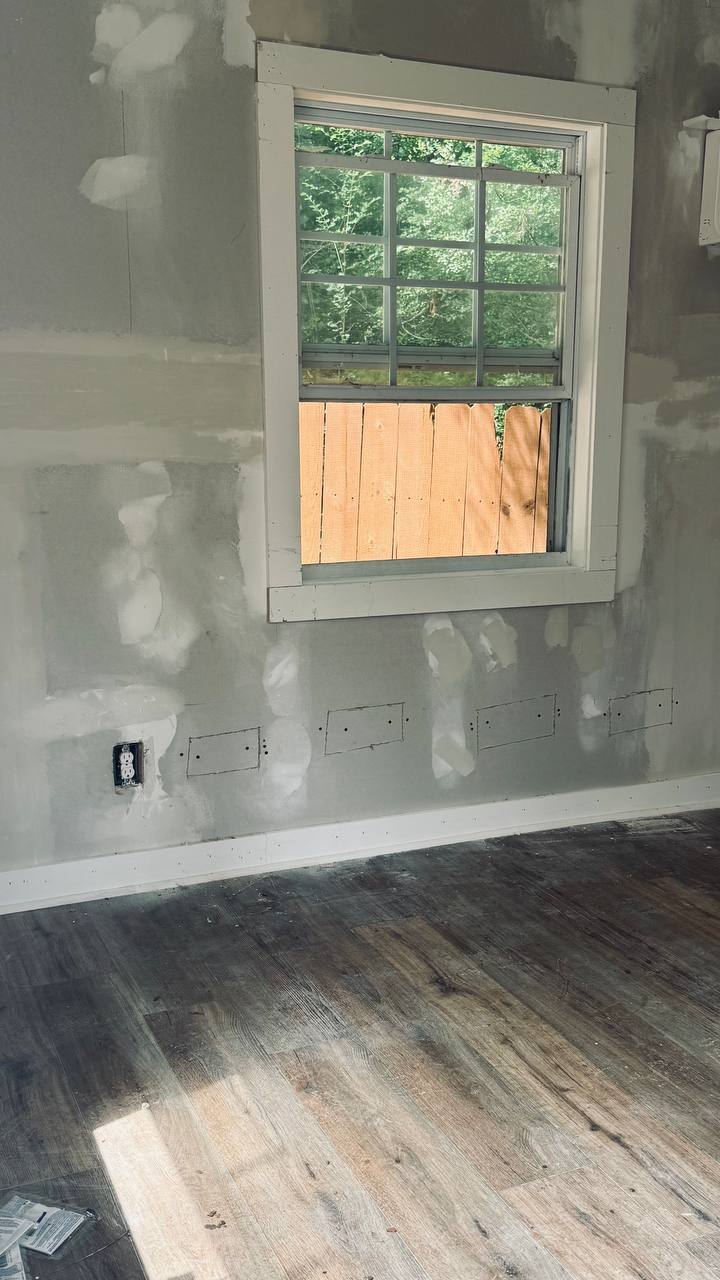
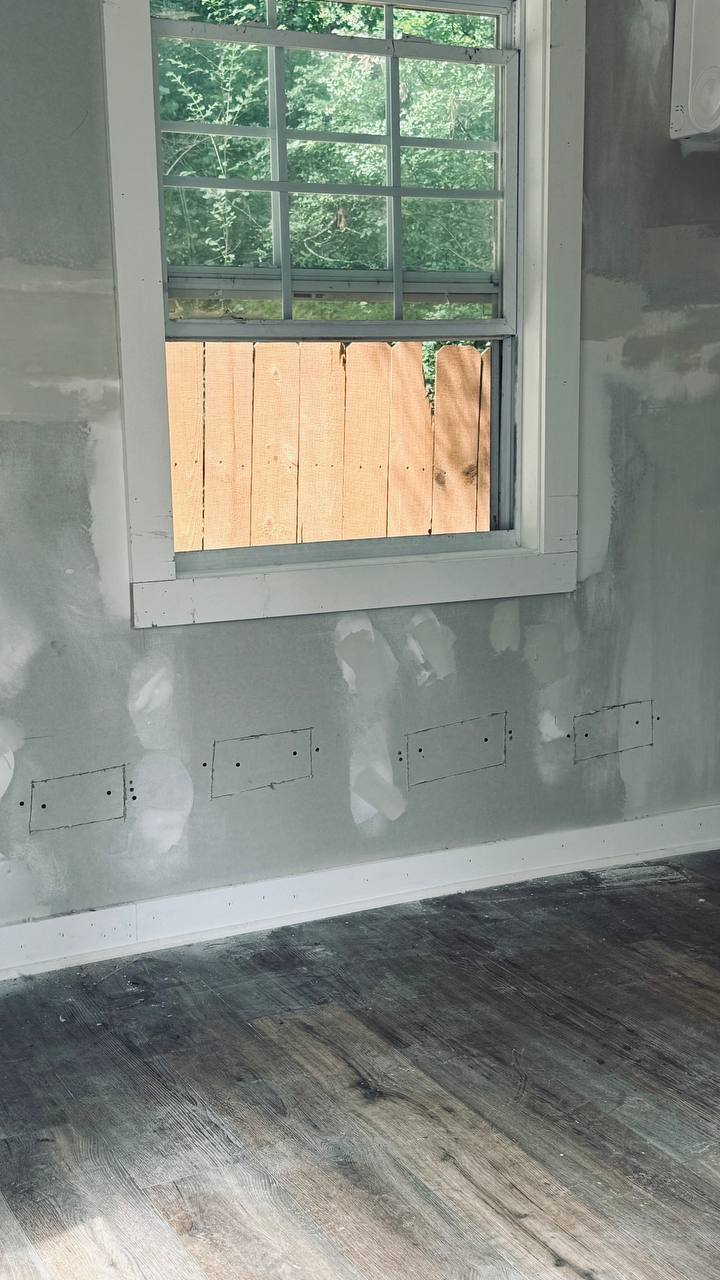
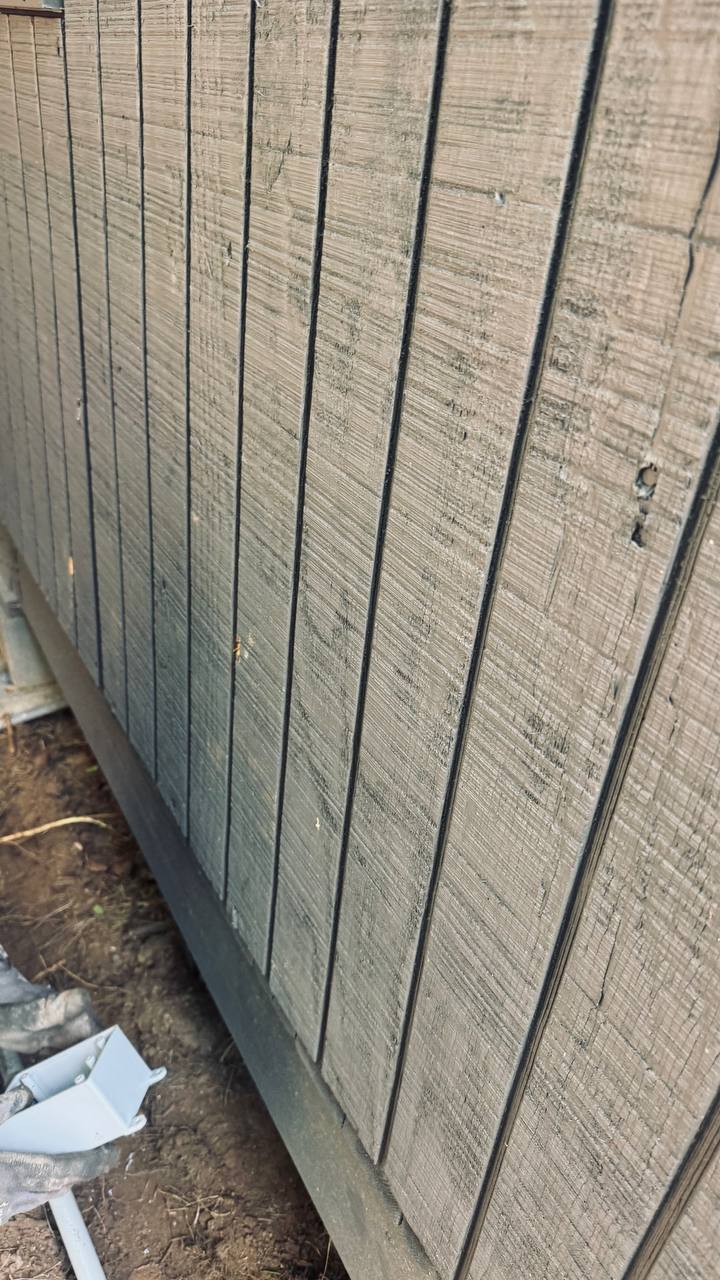
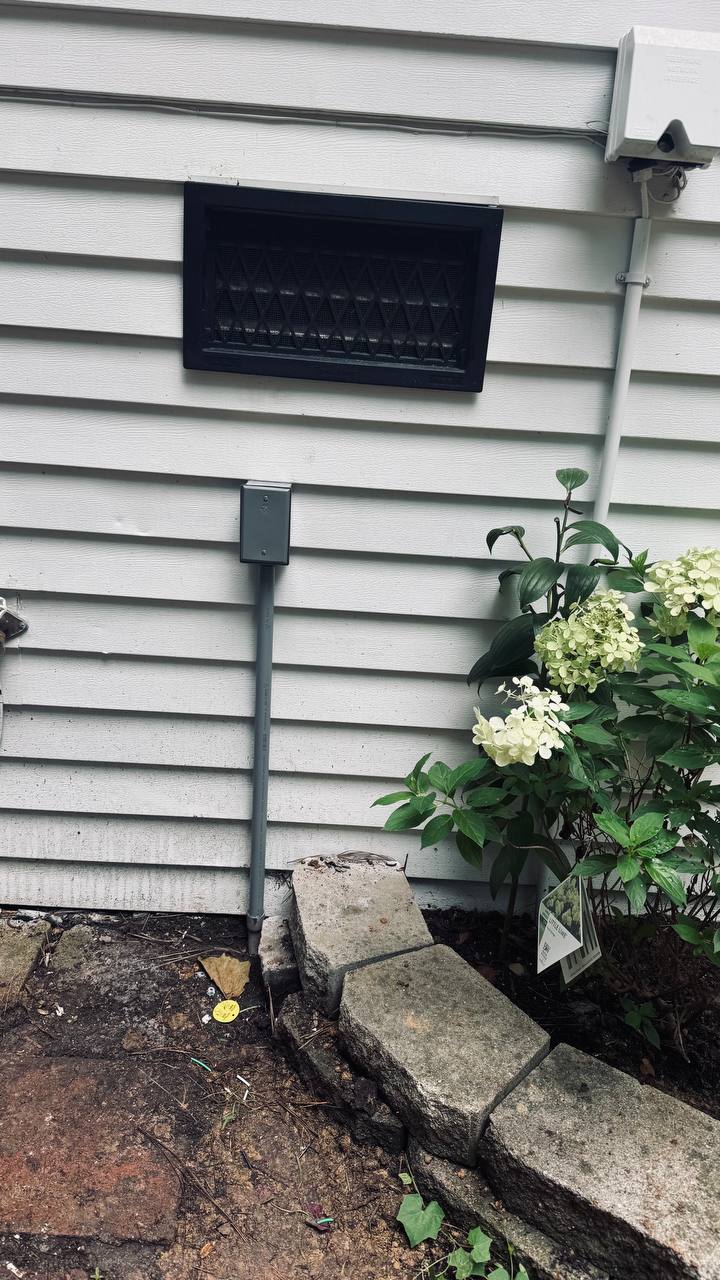
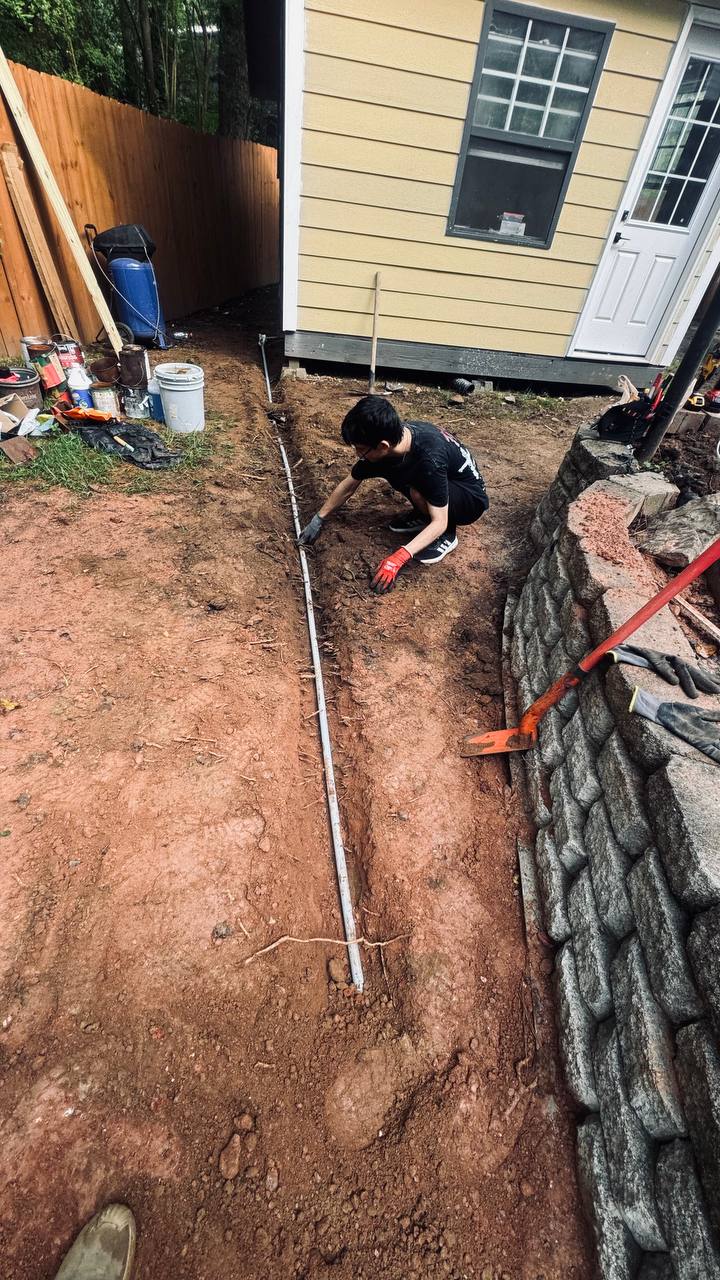
The Hub Pro Electric team recently completed an outdoor electrical installation project in Marietta, Georgia, providing power to a newly renovated backyard outbuilding.
Despite extremely hot weather and challenging outdoor working conditions, our electricians completed the project with the same commitment to quality, safety, and professional workmanship that every Hub Pro Electric customer expects.
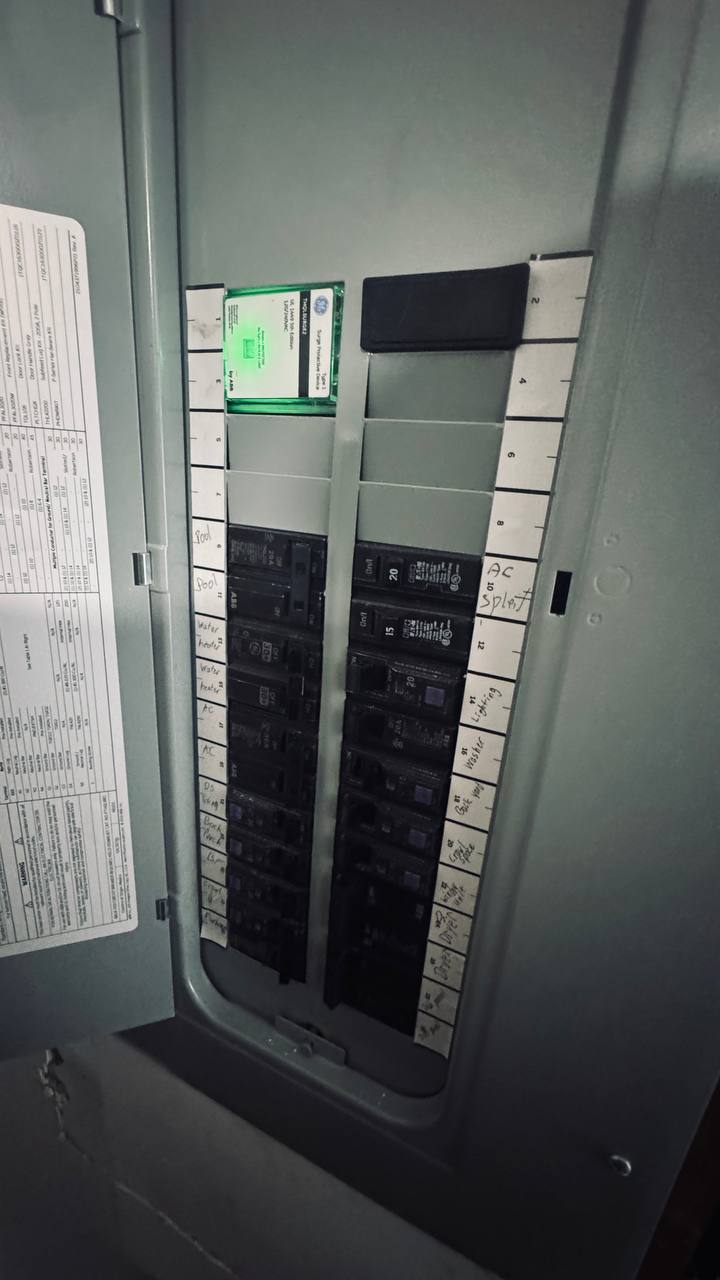
The homeowner had recently renovated a detached structure in the backyard but had not yet connected electrical service to the building. Our responsibility was to supply power from the home’s main electrical panel, located inside the garage, and prepare the structure for future use.
To meet the project’s electrical requirements, our team installed two dedicated 20-amp circuits. One circuit was designed to power the lighting system, while the second circuit was dedicated to the future air conditioning unit, ensuring reliable and independent power for both systems.
The total wiring distance from the main electrical panel to the backyard building was approximately 100 feet. This included nearly 40 feet of wiring through the home’s crawl space and an additional 60 feet across the backyard.
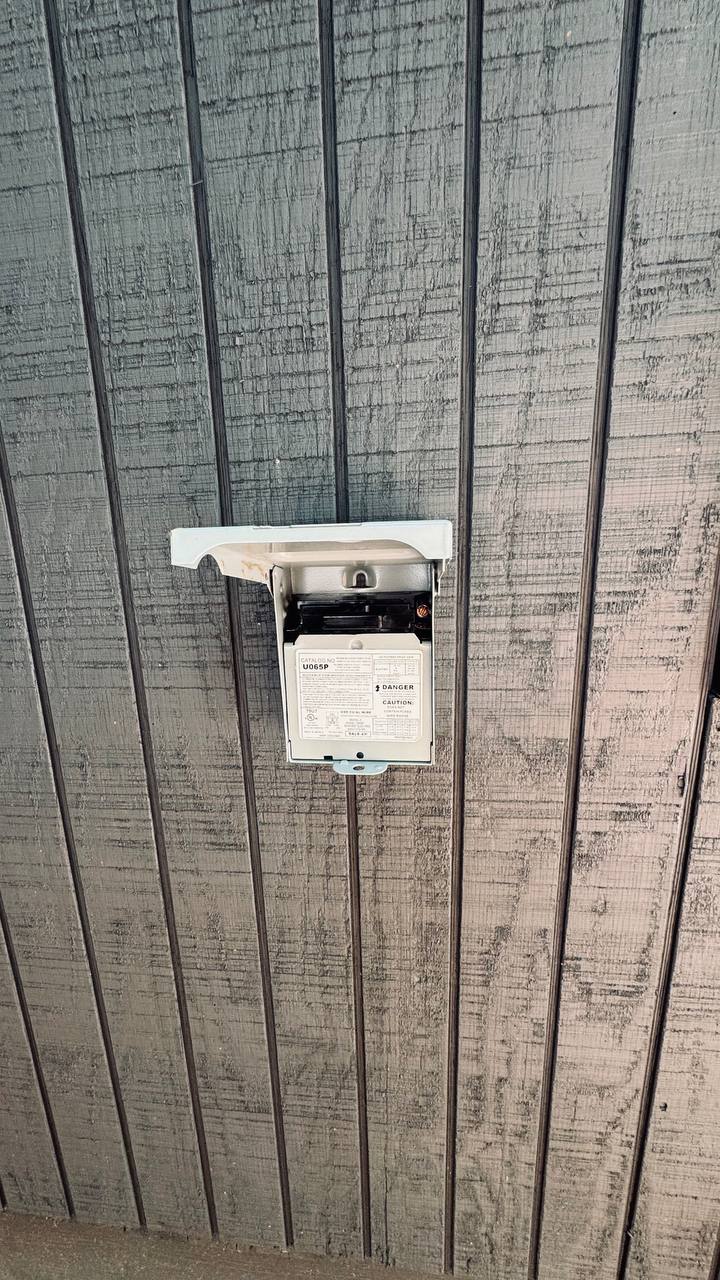
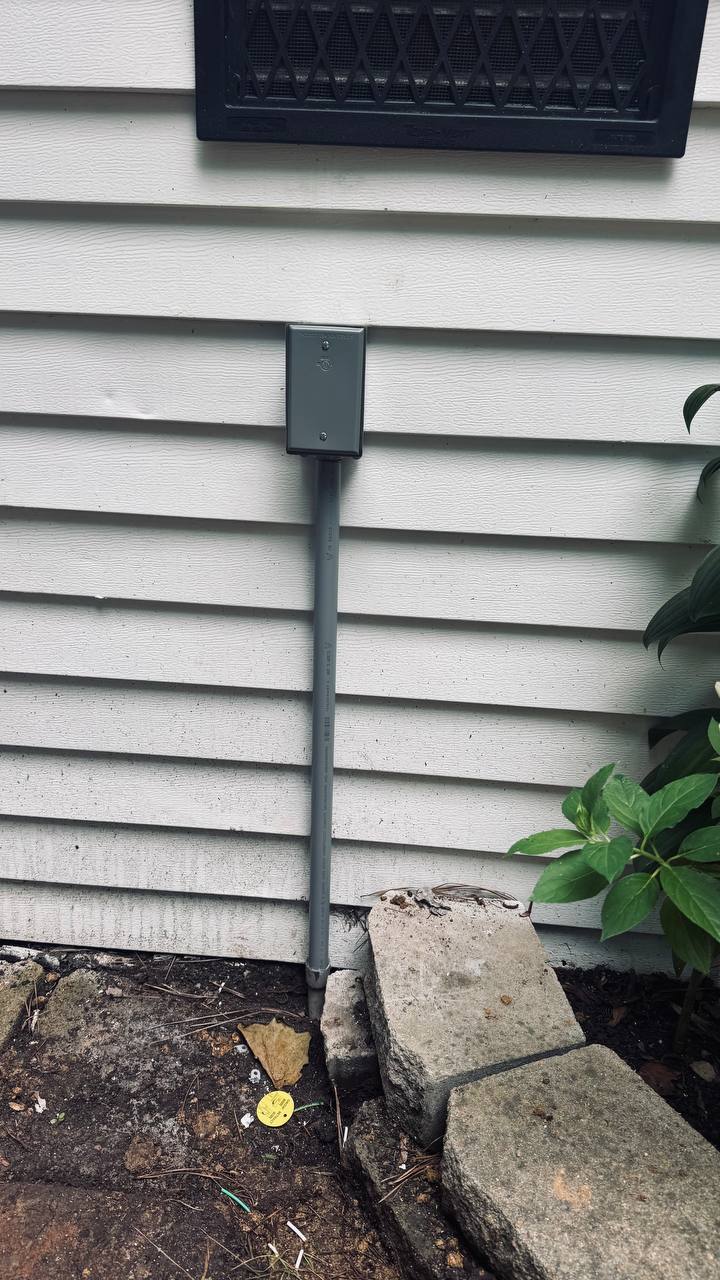
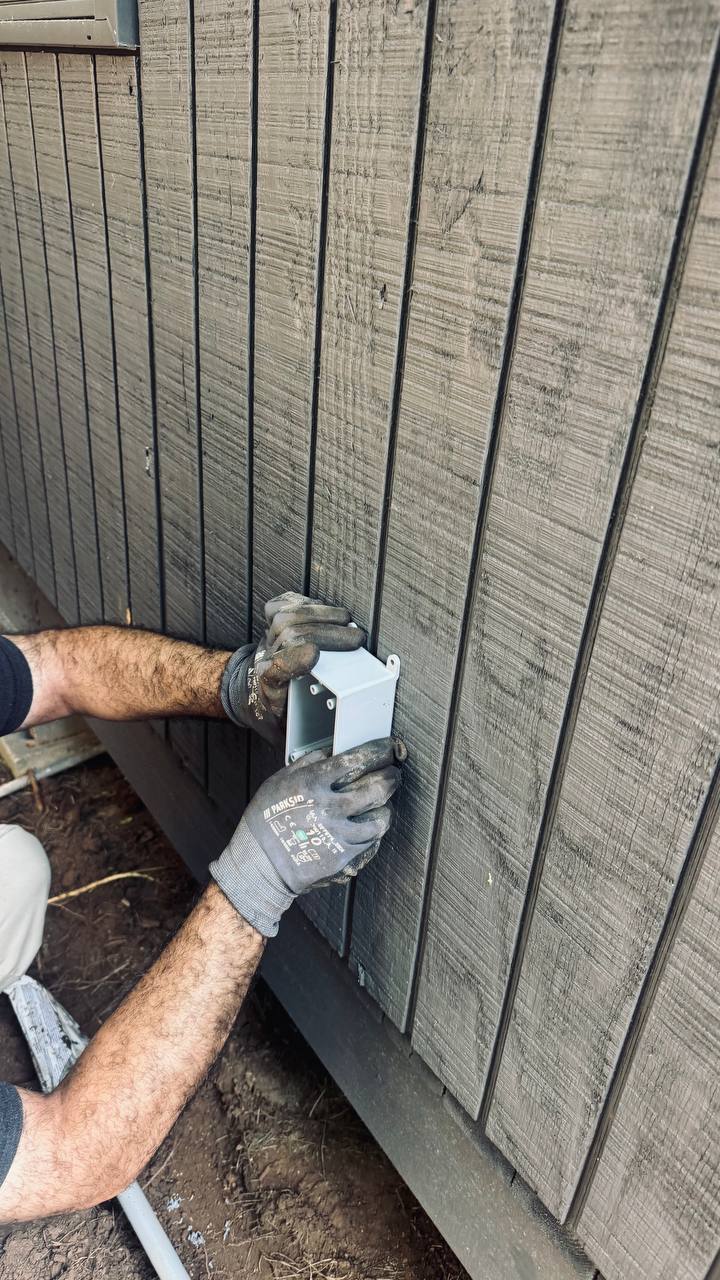
Our electricians carefully excavated a trench by hand, installed PVC conduit along the underground route, and pulled the new conductors through the conduit. New circuit breakers were installed in the electrical panel, and the detached building was successfully energized, allowing the HVAC contractor to continue with the next phase of the project.
Why We Used THHN Wire Inside the Conduit
One of the most important technical decisions on this project involved selecting the correct wiring method for the underground conduit.
Inside the crawl space, we used standard 12/2 NM cable where permitted by code and suitable for the environment. However, for the conductors installed inside the underground PVC conduit, we used individual 12 AWG THHN conductors.
This decision was based on long-term reliability and electrical safety. Even when PVC conduit is properly sealed, moisture can accumulate inside the conduit over time because of temperature changes and condensation. Standard NM cable contains paper fillers that can absorb moisture, increasing the risk of corrosion and reducing the lifespan of the electrical system.
THHN conductors are specifically designed for conduit installations and provide superior resistance to moisture, heat, and environmental conditions. Using THHN wire inside conduit is a more durable, reliable, and code-compliant solution for this type of installation.
At Hub Pro Electric, we believe that choosing the right materials is just as important as performing quality workmanship. Small decisions made during installation can significantly improve the long-term safety and performance of an electrical system.
The project was completed successfully, and the homeowner was extremely satisfied with the quality of the installation, the attention to detail, and our commitment to following professional electrical standards.
We invite you to view photos from this backyard electrical installation project below.
Project Details
- Location: Marietta, GA
- Service Type: Outdoor Power Installation for Detached Building
- Scope of Work: Installation of two dedicated 20-amp circuits, underground conduit, THHN wire installation, panel breaker installation, and backyard building power connection
- Special Feature: Underground electrical feed with PVC conduit and THHN conductors
- Property Type: Residential Home